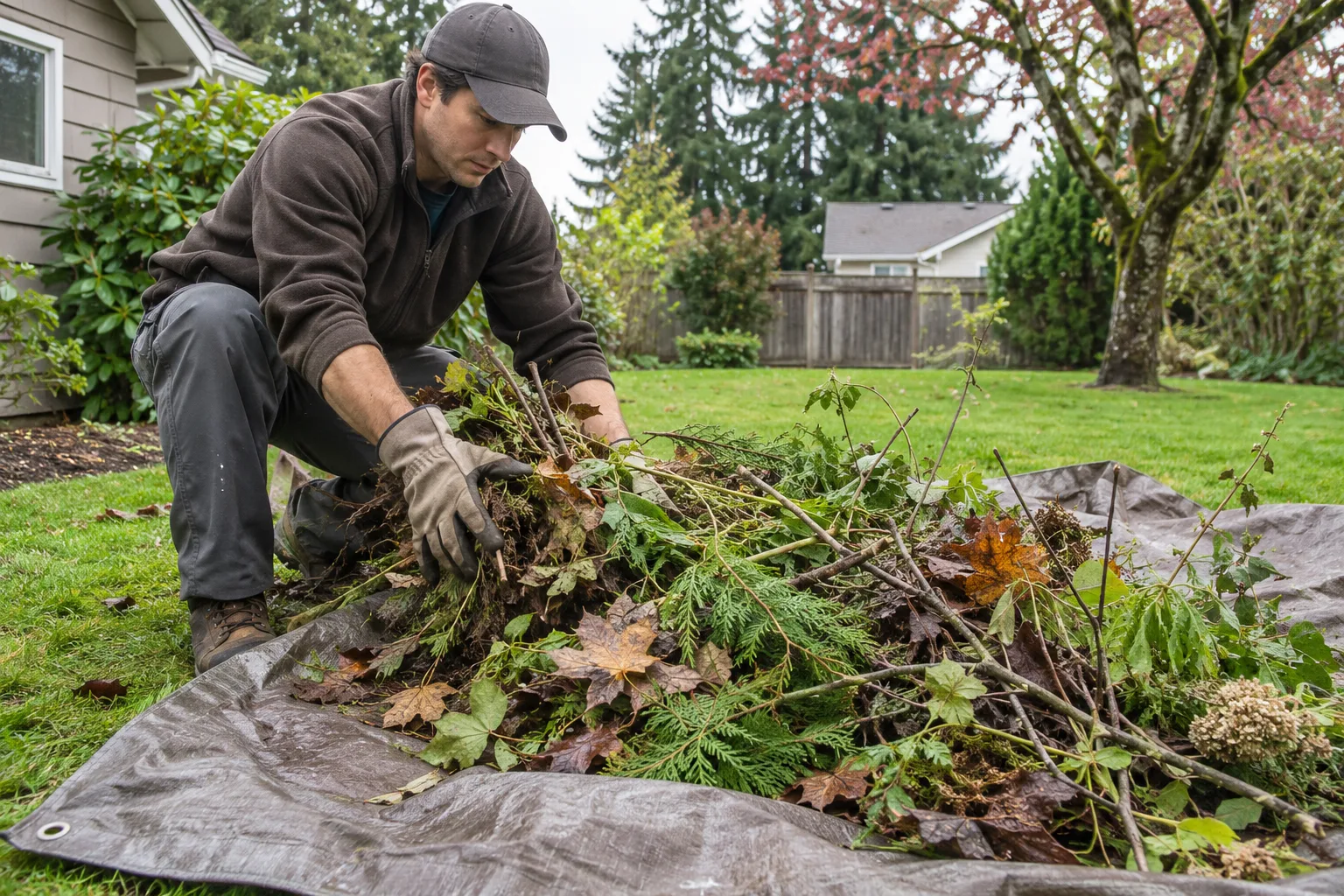
Yard Debris Removal
Mixed leaves, weeds, small branches, garden cuttings, and other agreed organic yard material.
Before you call: Keep soil, rock, plastic, and household trash separate so the organic load is easy to review.
Check the scopeBranches after pruning. Brush after a cutback. Wet clippings, storm debris, and the mixed pile that outgrows the green cart.
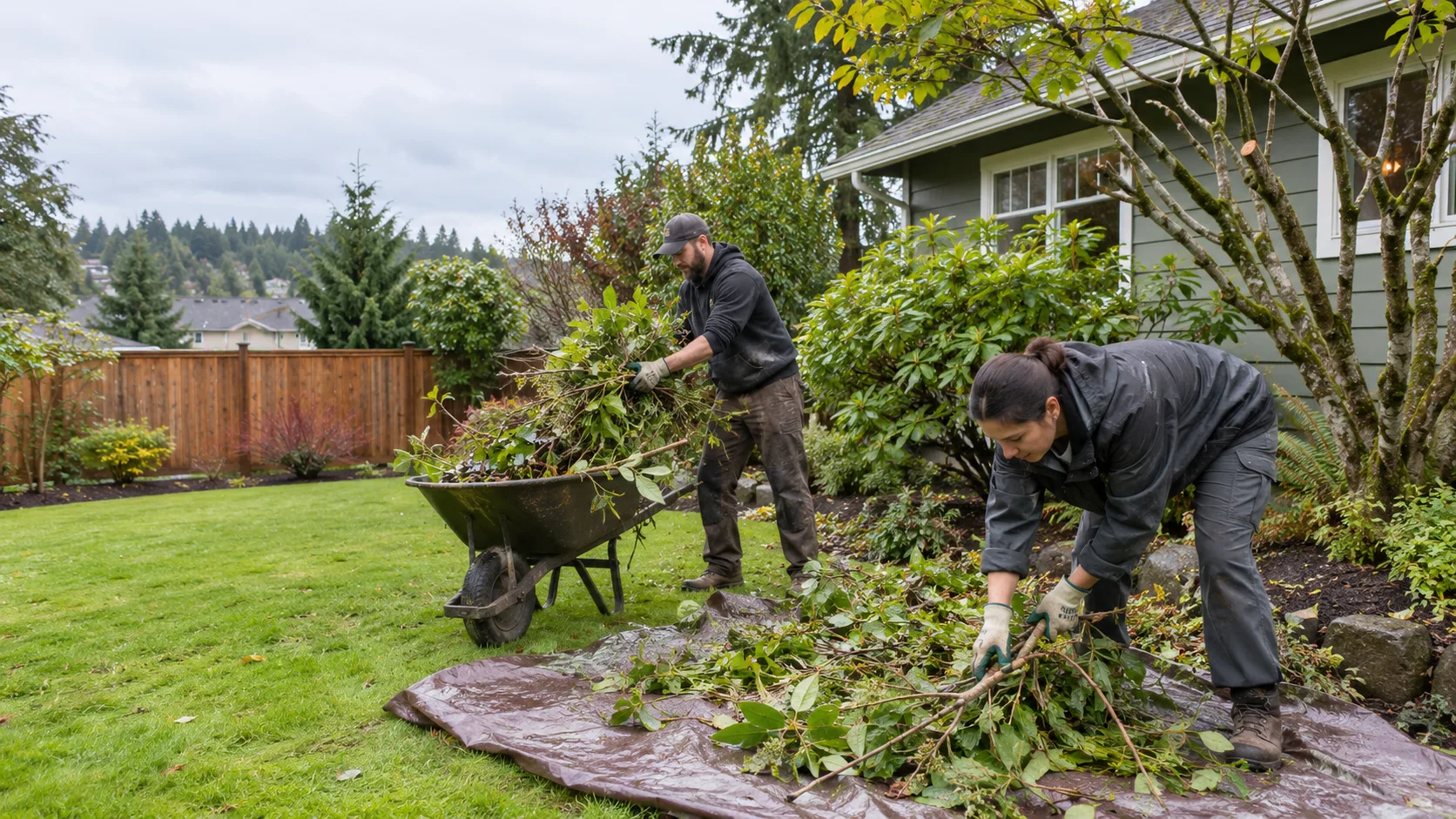
 Seven organic-debris servicesKent + 10 nearby communitiesCall any time · 24/7
Start with the material, then check access. Every service below leads to its own scope, preparation notes, and estimate factors.
Mixed leaves, weeds, small branches, garden cuttings, and other agreed organic yard material.
Before you call: Keep soil, rock, plastic, and household trash separate so the organic load is easy to review.
Check the scope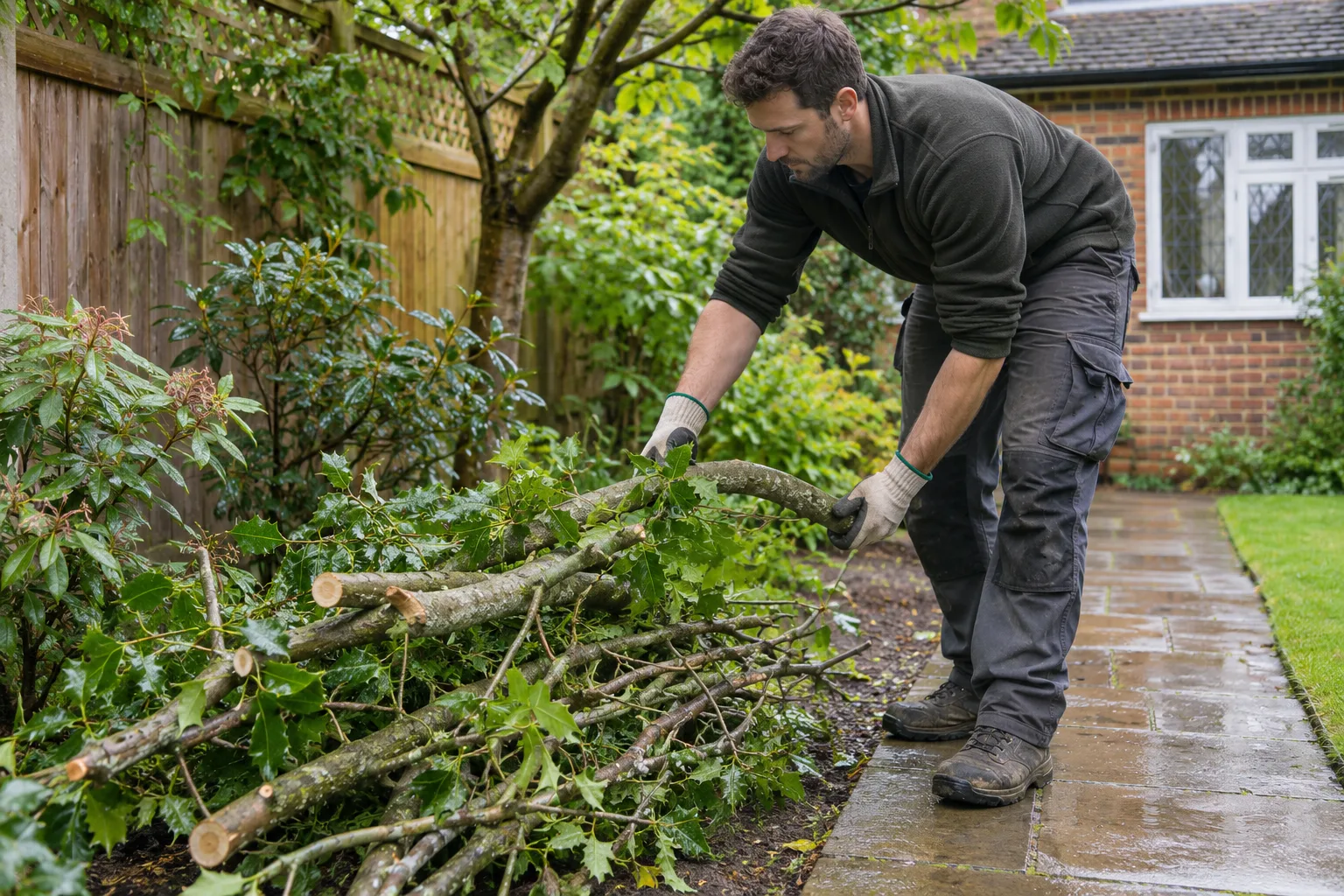
Detached branches and pruned limbs gathered from lawns, beds, side yards, and curbside staging areas.
Before you call: Do not cut near power lines. Mention heavy or unusually long sections before the visit.
Check the scope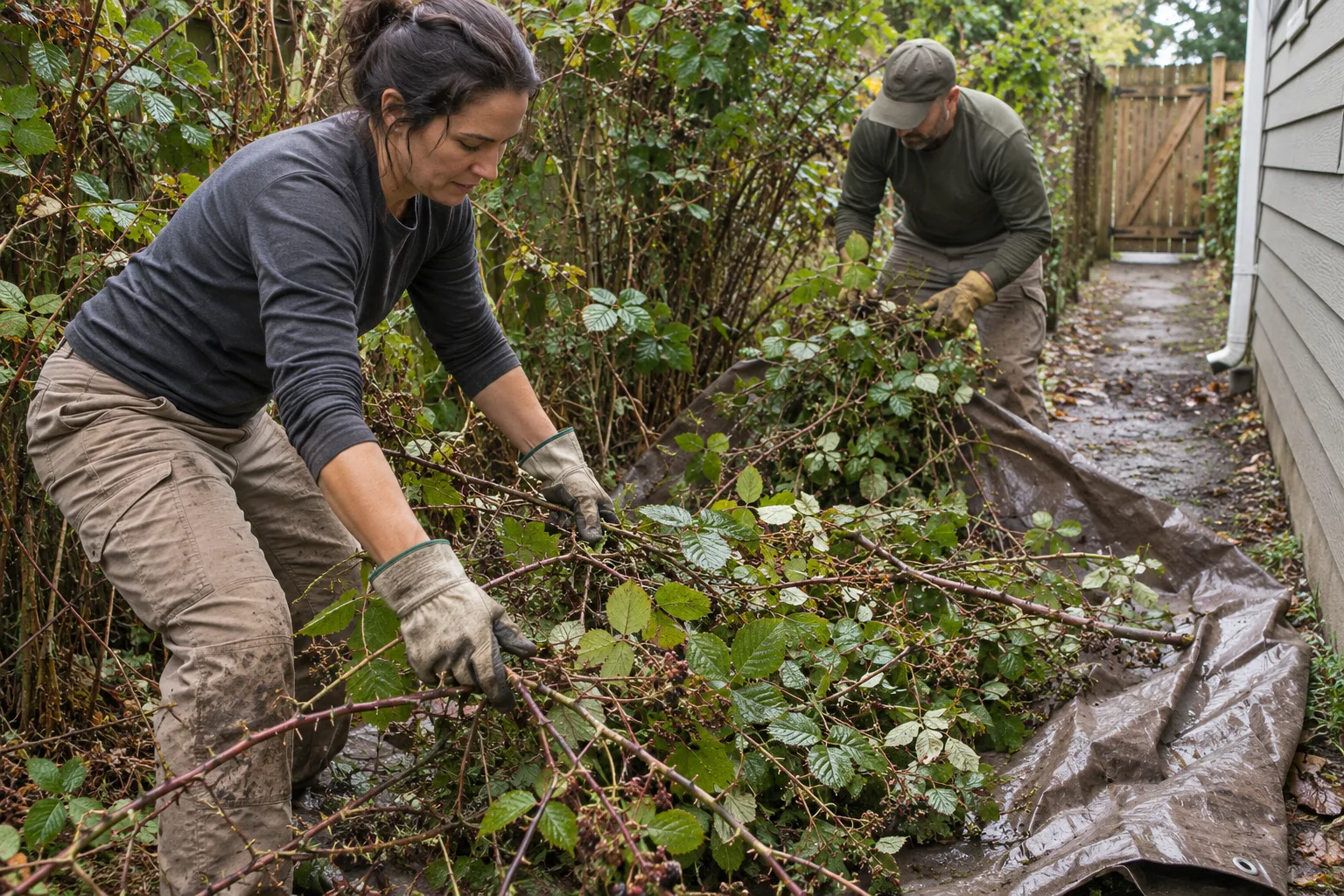
Woody shrubs, blackberry-type vines, hedge cuttings, and dense piles left after clearing.
Before you call: A visible gate, side-yard width, slope, and distance to the loading point help define the job.
Check the scope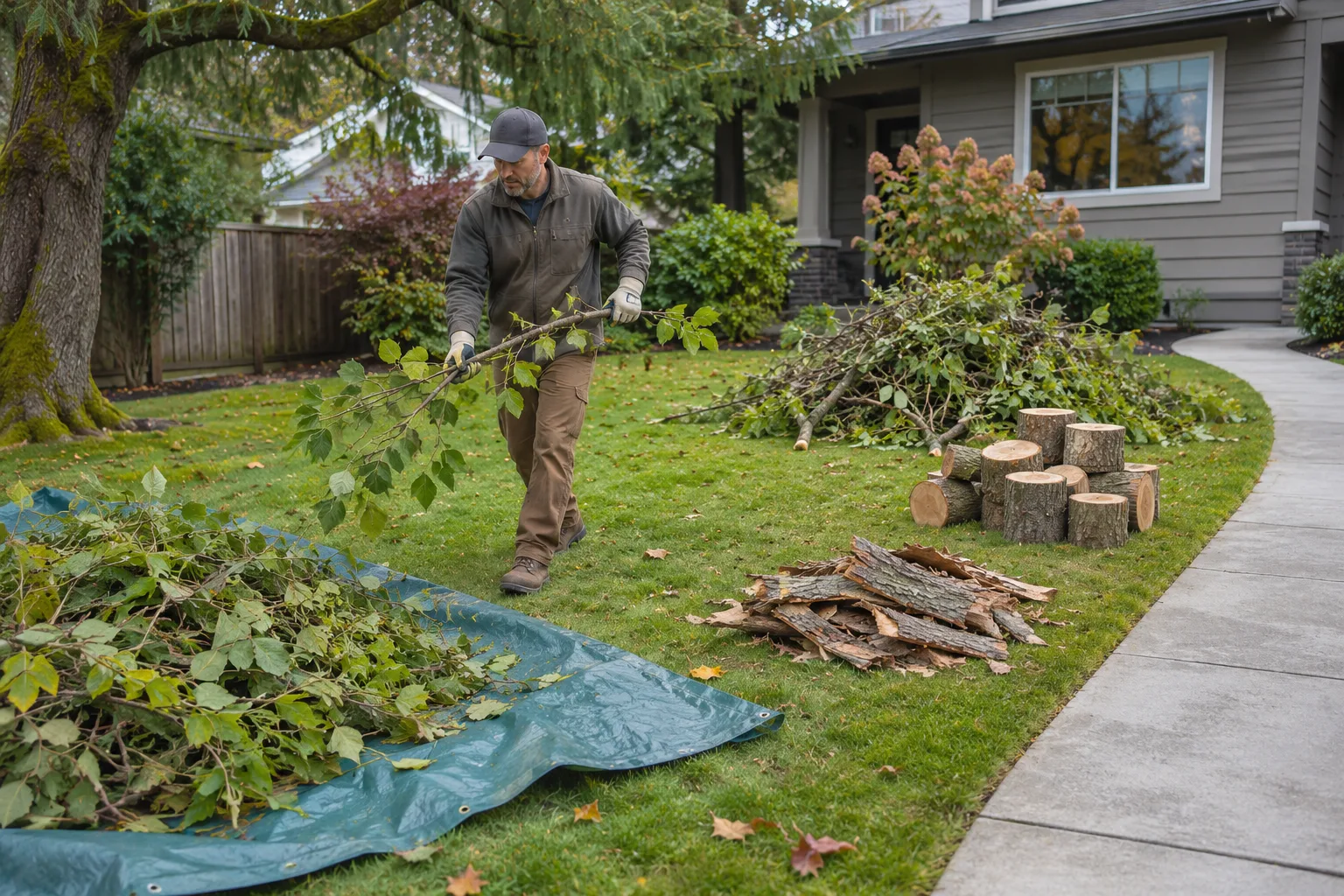
Already-detached leafy limbs, bark, smaller wood rounds, and tree cleanup debris.
Before you call: Send the diameter and length of the largest pieces and note whether steps or steep ground sit along the route.
Check the scope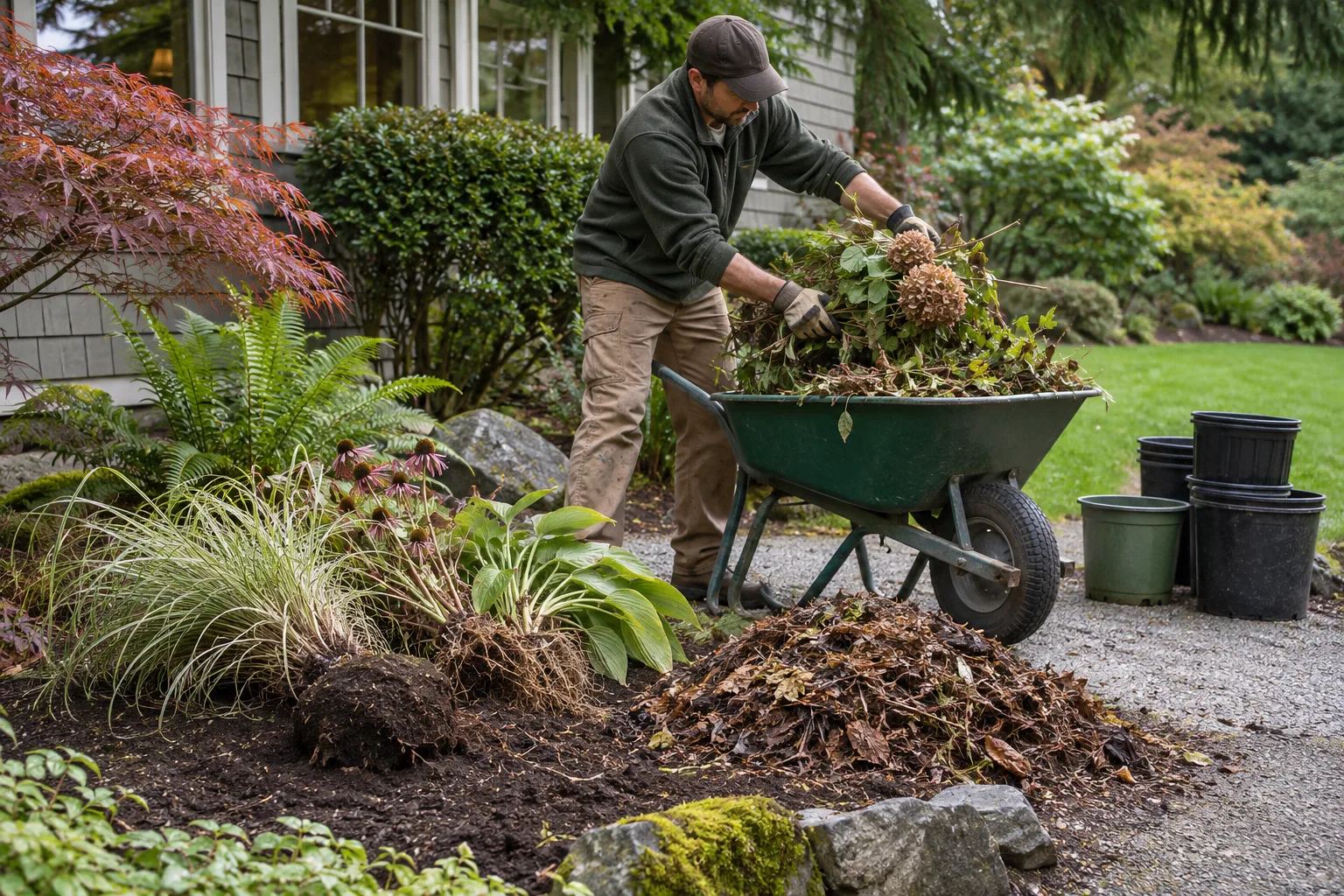
Shrub cuttings, plants, old mulch, garden-bed material, and agreed debris from landscape changes.
Before you call: Describe any mixed material before the visit so the removal plan matches the actual pile.
Check the scope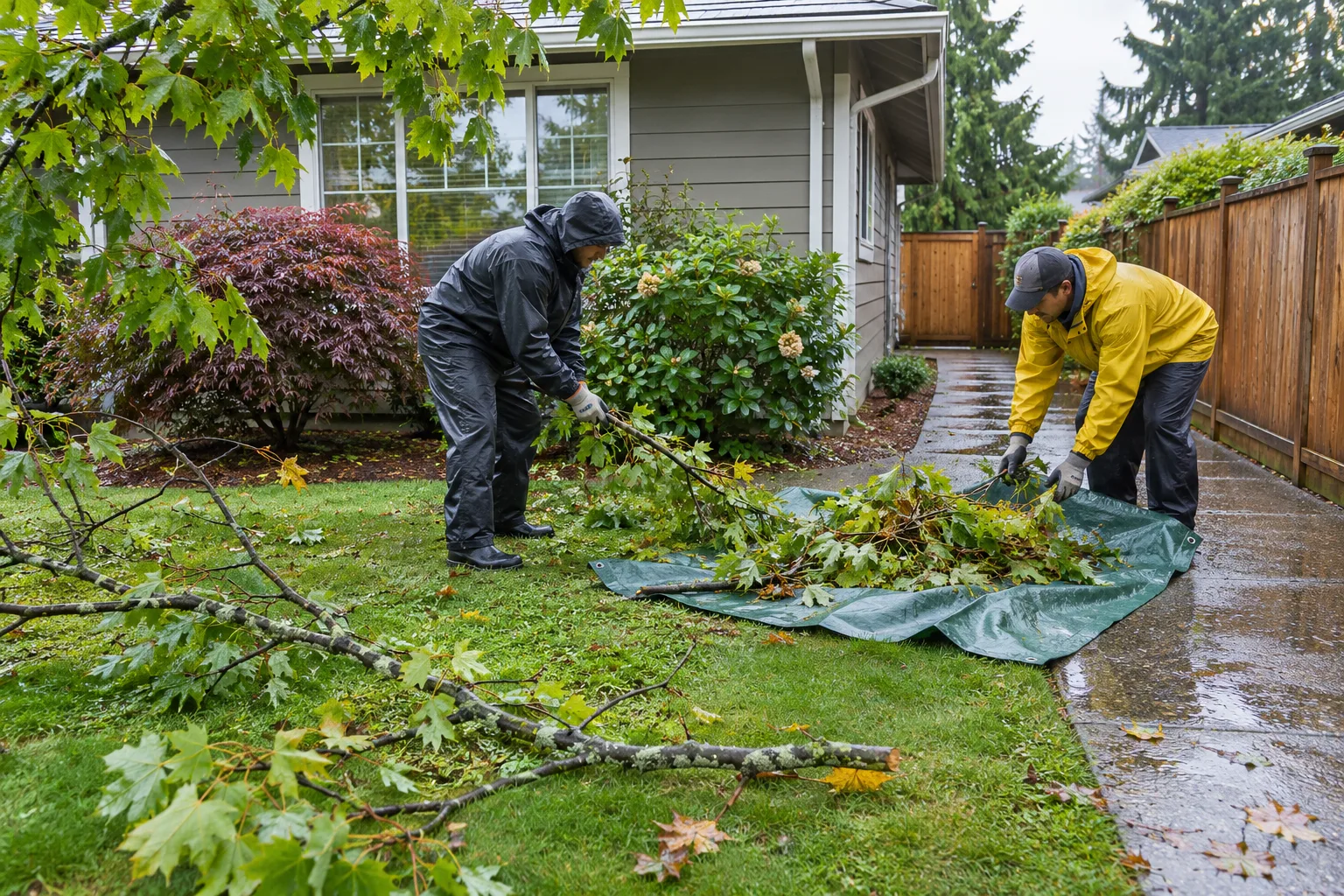
Fallen branches, wet leaves, and scattered yard material after wind or heavy weather.
Before you call: Photograph the full affected area from a safe position and identify blocked gates, driveways, or walkways.
Check the scope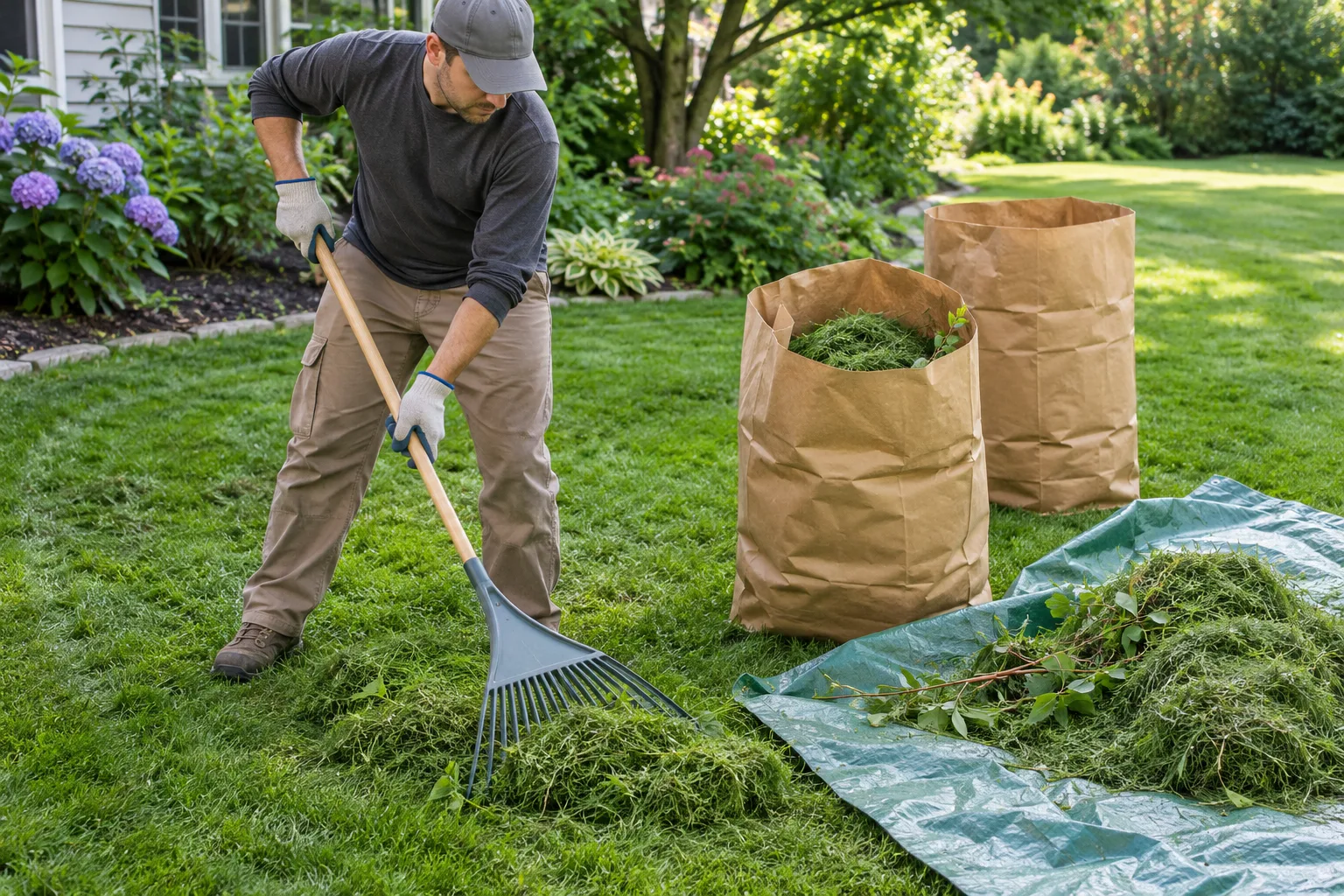
Bagged or gathered grass clippings and soft green trimmings from mowing or seasonal work.
Before you call: Keep plastic bags, animal waste, soil, and other non-yard material out of the clippings.
Check the scopeA useful call covers the material, approximate pile size, largest pieces, gate width, steps or slope, and distance to the loading point.
Call for an estimateMaterialLeaves, brush, limbs, clippings, plants, or mixed yard debris
VolumeWide photos and rough length × width × height
AccessGates, stairs, hills, wet ground, and carry distance
SeparationSoil, rock, plastic, wire, and household material kept apart
Addresses in these nearby communities can be reviewed when you call. Availability depends on the exact location, schedule, and job details.
Open the service-area directoryMeasure the longest pieces, separate mixed material, and show the access route before the pickup.
A short checklist for vines, hedge cuttings, woody shrubs, and the material that often gets mixed into a brush pile.
Use the condition of the tree, not just the size of the pile, to decide who should assess the work.
Describe leaves, weeds, brush, branches, grass, plants, or wood rounds. Soil, sod, rock, plastic, metal, household trash, treated wood, chemicals, and mixed construction debris need separate review.
Ask when you call. Explain where the pile sits and how it can be reached. Gate width, steps, slope, soft ground, and carry distance can affect the plan.
Pile volume, material type, density, access, handling needs, and location all matter. Wide photos help, but the final scope must be confirmed before loading.
Detached debris on safe ground can be reviewed. Stay away from utilities, unstable trees, floodwater, and public-road hazards, and contact the responsible authority first.